
Electrical Reports
NextPhase Energy
Electrical Installation Condition Reports (EICRs) in Selby & Howden
Professional landlord and homeowner safety inspections. Fully certified, NAPIT approved, and hassle-free.
Domestic & rental properties • Offices • Carehomes • NAPIT certified • Quick turnaround
What Is an EICR?
An Electrical Installation Condition Report (EICR) is a formal inspection of your property’s electrical systems and wiring. It identifies any safety issues, wear and tear, or outdated components that could pose a risk.
You’ll receive a written report that highlights:
• Any urgent safety issues
• Recommendations for improvements
• Whether your installation is satisfactory or unsatisfactory
Who needs an EICR?
•🏠 Homeowners – especially when buying/selling a house or if your electrics are over 10 years old
•🧑💼 Landlords – legally required every 5 years (or on a new tenancy)
•🏢 Letting agents & facility managers – to meet compliance and protect tenants
What’s Included in an EICR?
During the inspection, we carry out a detailed assessment of your electrical system. This includes:
- Visual inspection of sockets, switches, lights & fittings
- Testing of fixed wiring, circuits & distribution boards
- Identification of potential electric shock risks
- Testing for overloads or overheating
- Checking bonding & earthing systems
- Verifying compliance with current regulations
- Issuing a full written report with recommendations
If your report shows any issues, we’ll talk you through the options clearly — no scare tactics, no pressure.
What Do the Codes in an EICR Mean?
Your report will flag any issues using one of the following codes. Here’s what each one means:
Danger Present
Immediate risk of injury or fire. This needs urgent action. Example: exposed live wires or severely damaged equipment.
Potentially Dangerous
Could become dangerous over time. Action is required soon. Example: lack of bonding to gas/water pipes.
Improvement Recommended
Not dangerous, but doesn’t meet current standards. Example: older-style fuseboard without RCD protection.
If we find any C1 or C2 issues, we’ll talk you through the next steps and provide a clear, fixed-price quote for the work.
Why You Shouldn’t Skip It
An EICR isn’t just paperwork — it’s a safety check that could prevent fire, injury, or major electrical faults. Ignoring issues now could cost you a lot more later.
Here’s what’s at risk:
🔥 Electrical Fire – Faulty wiring or overheating circuits are a common cause of house fires
⚖️ Legal Trouble – Landlords can face fines or invalid insurance if no report is available
💷 Expensive Repairs – Small faults can turn into costly rewires if left unchecked
🛠 Emergency Callouts – Catching issues early means fewer out-of-hours breakdowns
🧾 Selling or Renting? – You may need a satisfactory EICR to close the deal
Download our FREE Landlord’s EICR Handbook
Get everything you need to know about inspection rules, renewal deadlines, and common issues — explained clearly, no tech jargon.
✅ Covers 2020 regulations & 5-year renewal deadlines
✅ Helps you stay legally compliant and avoid fines
✅ Free to download, no obligation
Fill out your details to get instant access:
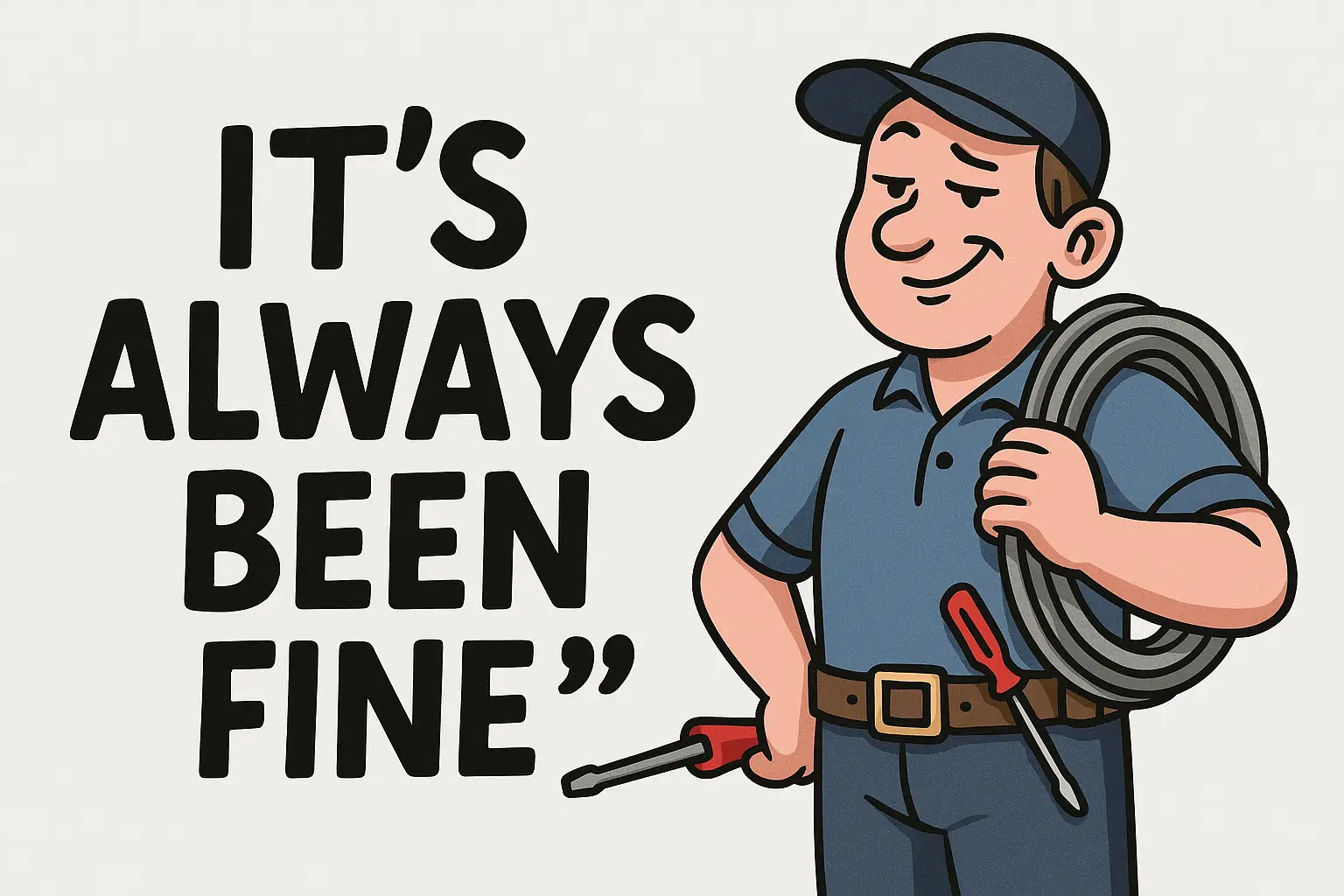
“It’s always been fine.” “Never had a problem before.” “We’ve lived here 20 years with no issues.”
That’s the most common reason people put off an EICR, and we get it.
But the truth is, electrical systems wear out slowly and silently. Just because you haven’t had a problem yet doesn’t mean you’re in the clear.
You wouldn’t ignore a boiler service, a tyre check, or a home survey and your electrics deserve the same attention.
Insulation breaks down over time
Connections loosen with heating and cooling
Standards change. What was safe 20 years ago isn’t safe now
An EICR is about staying ahead of problems, not waiting for them to find you.
Think of it as your electrical MOT, simple, sensible, and worth it.
Who Needs an EICR?
Homeowners
If your property is over 10 years old or you’ve never had your electrics checked — it’s time. Especially if you're planning renovations or selling your home.
Landlords
It’s a legal requirement to have an EICR every 5 years, or at the start of a new tenancy. Failing to comply can mean fines or invalid insurance.
Letting Agents
Stay compliant, keep tenants safe, and avoid legal pitfalls. We offer quick turnaround reports and hassle-free scheduling.
Facilities Managers
For offices, shops, or multi-unit buildings, routine EICRs reduce risk and help meet health & safety regulations.